New Senior Driver Rules for 2025 – Canada is preparing to roll out updated road safety measures that directly affect older drivers in 2025. The new senior driver rules focus on ensuring that motorists remain medically and physically fit to drive as they age. With an increasing number of older Canadians staying active behind the wheel, provincial transport authorities are introducing mandatory vision screenings and road tests at certain age milestones. These changes aim to balance public safety with independence, helping seniors continue driving confidently while reducing accident risks linked to declining eyesight, slower reaction times, and health-related driving challenges.
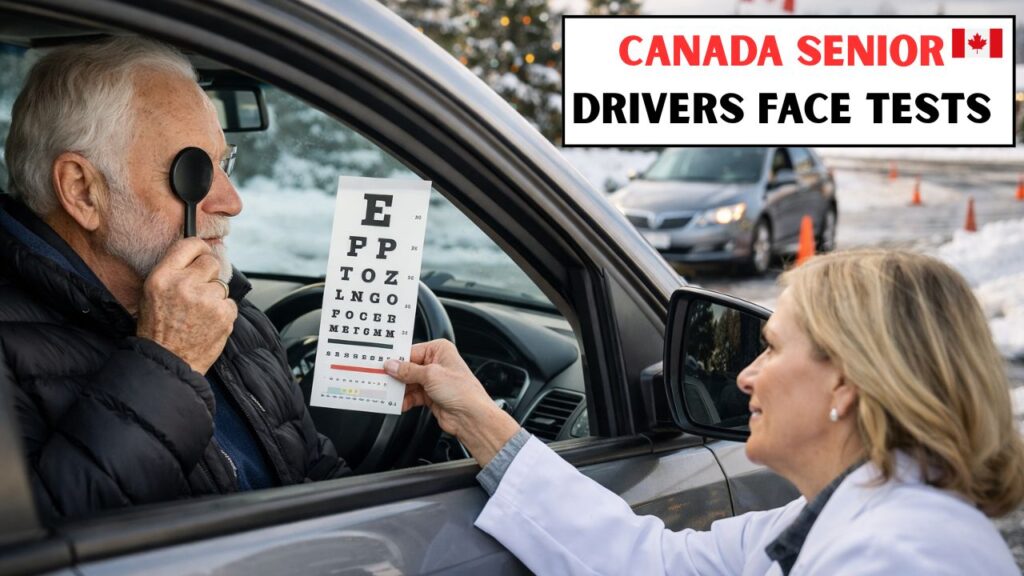
Mandatory Vision and Road Tests for Canadian Seniors in 2025
The mandatory vision and road tests for Canadian seniors in 2025 are designed to improve overall road safety without unfairly targeting older motorists. Under the updated approach, senior drivers may be required to complete regular eye examinations and, in some cases, practical driving assessments once they reach a specified age. Transport authorities across Canada emphasize that these checks are preventative rather than punitive. Vision testing helps identify issues such as reduced peripheral vision or difficulty reading road signs, while road tests assess real-world driving skills. Together, these measures aim to ensure older drivers can safely handle traffic conditions, intersections, and changing road environments.
New Senior Driving Assessment Rules Across Canada Explained
The new senior driving assessment rules across Canada vary slightly by province but follow a common national safety objective. Most provinces plan to introduce age-based screening intervals, meaning assessments may become more frequent as drivers grow older. Canadian motorists aged 70 and above are likely to see increased monitoring, including medical questionnaires, eyesight checks, and possible on-road evaluations. These rules are intended to identify potential risks early, allowing drivers to address health concerns or adjust driving habits. By focusing on ability rather than age alone, Canada’s updated system supports safer roads while respecting seniors’ independence.

| Assessment Type | Who Is Affected | Frequency | Purpose |
|---|---|---|---|
| Vision Test | Senior drivers 70+ | Every 2–5 years | Check eyesight and visual awareness |
| Road Test | Selected older motorists | As required | Evaluate real driving ability |
| Medical Review | Canadian seniors | License renewal | Assess health-related risks |
| License Renewal | Drivers over age threshold | Shorter intervals | Ensure continued fitness to drive |
How Older Canadian Drivers Can Prepare for 2025 Rule Changes
Older Canadian drivers can take proactive steps now to prepare for the 2025 rule changes. Scheduling regular eye exams, staying informed about provincial licensing requirements, and maintaining good overall health can make future assessments smoother. Many provinces also offer refresher driving courses specifically designed for seniors, helping them adapt to new road rules and traffic patterns. By practicing defensive driving and limiting high-risk situations such as nighttime or high-speed travel, seniors can demonstrate continued competence. Preparation not only helps with compliance but also boosts confidence and safety on Canada’s roads.
Impact of Canada’s Senior Driver Testing Rules on Road Safety
The impact of Canada’s senior driver testing rules is expected to be largely positive for both motorists and the wider community. By identifying vision or reaction-time issues early, authorities can reduce collision risks involving older drivers. Canadian road safety experts note that most seniors adapt well to assessments and continue driving safely for many years. These rules are not meant to remove licenses unnecessarily but to promote responsible driving decisions. Ultimately, the updated system supports safer travel, protects vulnerable road users, and helps seniors maintain independence for as long as safely possible.
Frequently Asked Questions (FAQs)

1. At what age do the new senior driver tests start in Canada?
Most provinces begin additional testing requirements around age 70, though exact ages vary.
2. Will all older drivers need to take a road test?
No, road tests are usually required only if concerns arise from vision or medical assessments.
3. Are these rules the same across every Canadian province?
The general framework is similar, but specific requirements differ by province.
4. Can seniors lose their license automatically under the new rules?
No, licenses are not revoked automatically; decisions are based on individual fitness to drive.